The definition of a smart building is changing. It is no longer about individual systems or impressive technology features. In 2026, smart buildings will be defined by how well technology works together to support people, operations, and long-term performance.
Across commercial, hospitality, public sector, and multi-dwelling environments, organizations are demanding more from their buildings. They want systems that are reliable, intuitive, secure, and designed to scale. This shift is reshaping how technology is planned, implemented, and managed.
Integration Will Be the Standard
Standalone systems are becoming a liability. Buildings with disconnected security, networking, AV, and access control struggle with inefficiencies, limited visibility, and higher operating costs.
In 2026, smart buildings will demand integrated platforms that bring systems together under one unified environment. Integration enables centralized management, consistent performance, and clearer insight into how spaces are being used.
Data That Drives Better Decisions
Smart buildings are no longer passive. They are becoming active sources of operational intelligence.
Security analytics, occupancy data, and system performance insights allow organizations to respond faster, improve safety, and make informed decisions in real time. In the year ahead, data-driven infrastructure will be essential for organizations that want to operate efficiently and adapt quickly.
Simplicity Over Complexity
Technology should make buildings easier to manage, not harder.
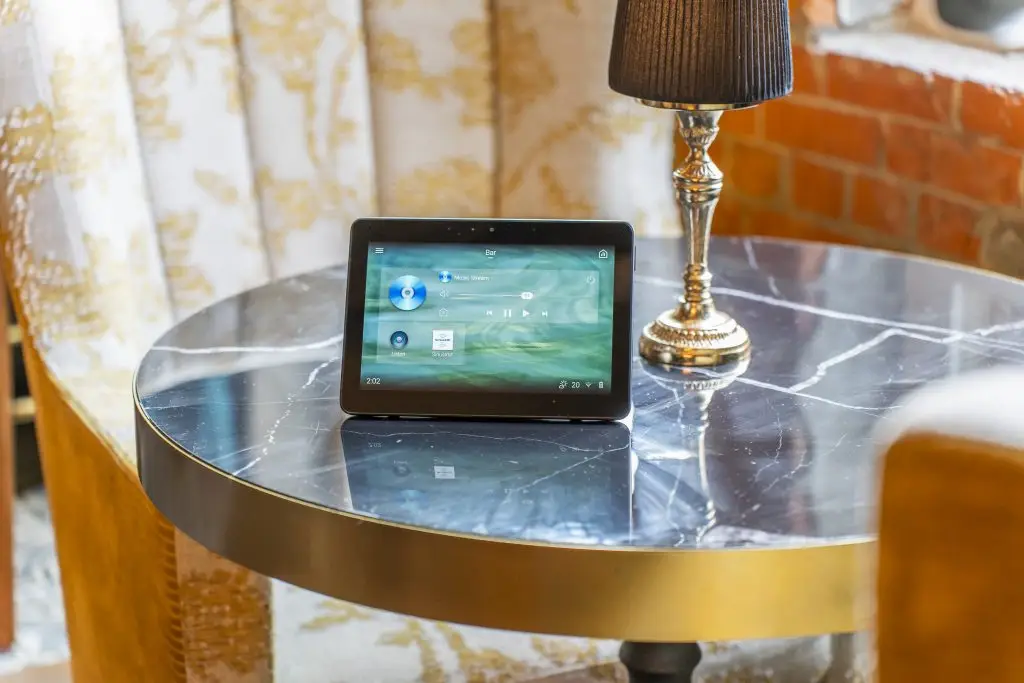
In 2026, smart buildings will demand intuitive control systems that reduce training time and eliminate unnecessary complexity. From facility managers to front-line staff, users expect technology to work seamlessly in the background while providing clear, simple interfaces when needed.
Security Built Into the Foundation
As buildings become more connected, security can no longer be treated as an add-on. It must be embedded into the design from the start.
Modern smart buildings require layered security that protects people, assets, and data while maintaining accessibility and ease of use. Integrated access control, surveillance, and network security will be a baseline expectation moving forward.
Technology Planning That Starts Early
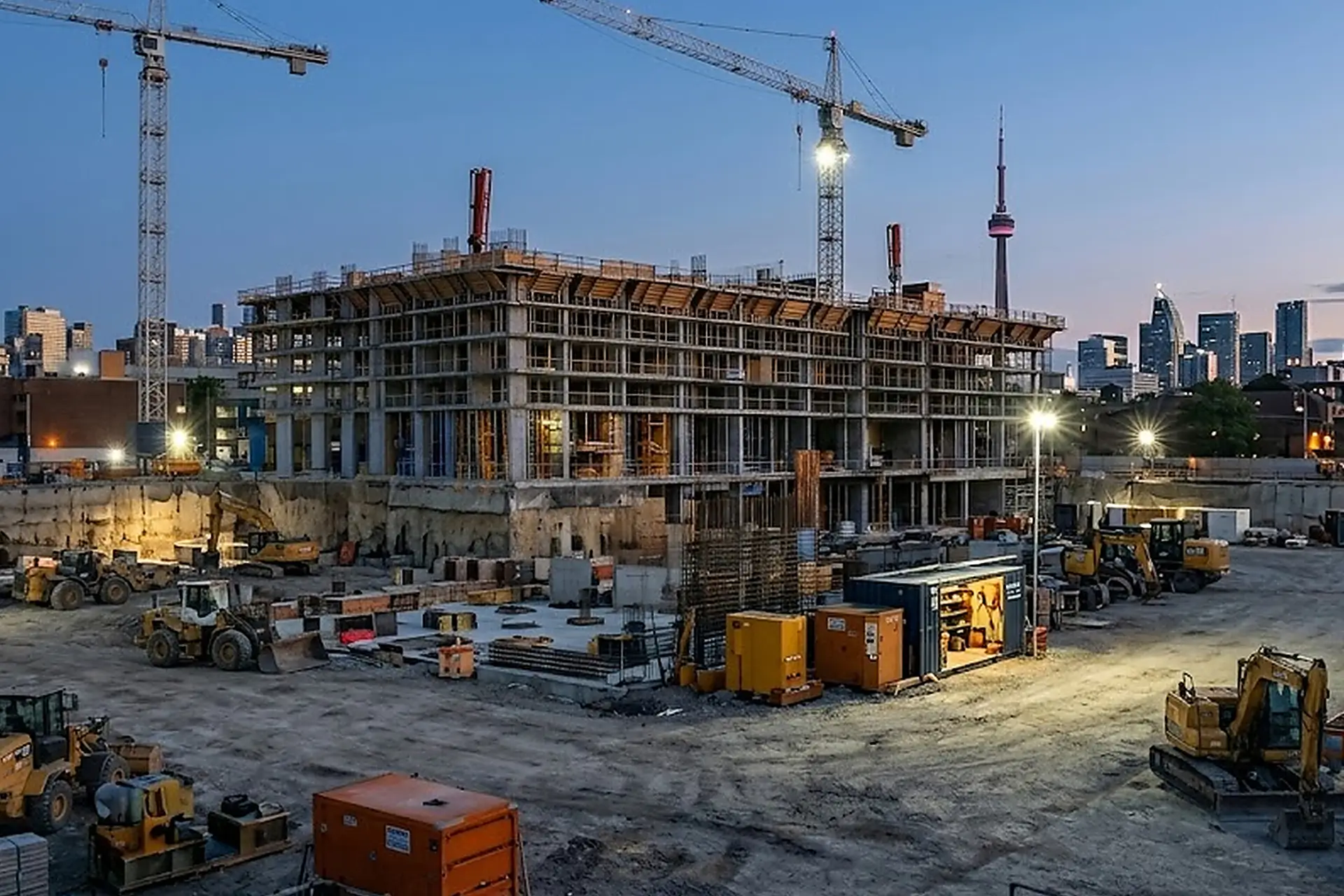
The most successful smart buildings begin with early technology planning. Waiting until late-stage construction often leads to rework, delays, and compromised performance.
In 2026, organizations will increasingly involve technology partners early in the design-build process to ensure infrastructure, cabling, and systems align with long-term operational goals.
Building for What Comes Next
As expectations for smart buildings continue to evolve, organizations need technology partners who understand both innovation and execution. Unified Automation works with clients across Canada to design and deliver integrated systems that support smarter operations, stronger security, and better user experiences.
To learn more about how Unified Automation can support your next project, contact our team to start the conversation.